Flexible work is often presented as a way to include, retain and achieve gender equality. However, there exist alternative pathways to creating new forms of inequality when an employee is visibly associated with care giving. This study investigates the interaction between caring visibility and flexibility i-deals and career advancement in Hybrid workplaces. It is based on the concepts of i-deals theory, flexibility stigma and gendered organizations theory. By proposing to connect visibility of caregiving with individualized flexibility to promotion, through manager-rated commitment and employee experiences of visibility penalties, the model has implications that extend beyond the day-to-day work of managers and caregivers. The proposed model not only resonates in the daily work of managers and caregivers but also has implications that go beyond that. The study is conducted on a three-wave matched employee-manager dyad design, objective human resource records, and a nested interview sample over 24 months. The study is designed through a three-wave matched employee-manager dyad design that is based on objective human resource records and a nested interview sample over a period of 24 months. For this manuscript build no raw data was provided and hence the numerical results reported are simulated and should be replaced in the manuscript before submission. As illustrated, the results present a twofold situation. Flexibility i-deals help to minimize work-family conflict. When caregiving is very visible, the same arrangements are associated with fewer chances for promotion and greater visibility penalties, however. Such effects are greater in females. These qualitative themes support this pattern, and indicate that hybrid working does not eradicate ideal-worker norms. Rather, these norms shift to judging responsiveness, availability and promotability. The study makes a contribution to the literature by demonstrating the possibility for flexibility to serve as a support and as a gendered signal to the work market at the same time.
Research ArticleHybrid Work and GenderIn progress
Flexible for Whom? Caregiving Visibility, I-Deals, and Gendered Career Progression in Hybrid Work
Correspondence: abdyeaqubi@gmail.com
Abstract
Keywords Hybrid WorkCaregiving VisibilityI-DealsGendered OrganizationsWork-Family Conflict
Introduction
Hybrid work is now a settled fact in the world of work for PMEs. It involves working remotely and on-site, and also impacts the perception, assessment, and participation of others. It's a family-friendly practice, which is often touted by many organizations. They correlate their association to worker selection, healthiness, and retention. There is a good basis for this claim. Flexibility in location and time may help to minimize travel time, increase autonomy and enable workers to organize paid work around care arrangements. The results of a recent randomized trial also indicated that a structured hybrid schedule was found to be an effective schedule that resulted in higher retention without the adverse impact on the average performance or promotion outcomes (Bloom et al., 2024). Why flexibility is now a major component of the job offer in many industries is due to these benefits.
But the good story doesn't end there. Flexible working can have a variety of impacts on individuals. A schedule which reduces the availability of one employee can make another employee less available. One of the potential drawbacks of a remote day that creates focus is that it can result in less informal conversation, mentoring, and senior decision makers. Telework evaluations demonstrate that other factors in addition to location affect the impact of telework, including job design, intensity, and autonomy, and social context (Henke et al., 2022; Kang & Oh, 2026). There is also large-scale evidence that remote work may lead to decreased collaboration networks and contact with others across groups (Yang et al., 2021). Patterns are important because sometimes information and opportunity are what it takes to move up in one's career, not necessarily tasks.
This current study concentrates on a particular dimension of difference, caregiving visibility. The extent of visibility of care responsibilities of an employee is called ‘caring responsibility visibility'. It may be manifested in a number of ways, including but not limited to: direct disclosure, changing meeting times, school appointments and medical appointments, requests for predictable remote days, and repeated boundary statements. If the employee can see what needs to be done, he or she can discuss such a plan and develop a more functional schedule. It can also carry with it implications about career and future availability. Two staff members can work a hybrid, however there should be a distinction in how the employee whose care responsibilities are more conspicuous is assessed.
This is very related to flexibility stigma. Flexibility stigma manifested as low level of commitment, low level of reliability, or low level of seriousness for advancement or career progression of workers with flexible arrangements (Ferdous et al., 2022; Wang & Chung, 2026). Evidence of performance is not enough to generate the stigma. It is developed from cultural notions of ideal worker. The perfect worker is presumed to be always available and make work his prime motivation at crucial times. These assumptions are also in place even in cases where there is formal support for flexibility. Consequently, the implementation of a policy can be allowed, without a person suffering a career cost (M. Tamayo et al., 2026).
One important aspect of this is gender. Organizations are not gender-free spaces where gender comes in as an individual characteristic. Workers with limited, visible care needs are often the foundation for their job, career ladders and evaluation rules (Acker, 1990, 2006). There is still a greater tendency for women to be viewed as the primary-caregivers. This can be seen as flexibility for women, a sign of constraint, and flexibility for men, a sign of good planning or responsible fatherhood, by managers. Mothers have been found to receive lower ratings of competence and commitment even if their records are identical to those of mothers who are not mothers and have the same other characteristics (Correll et al., 2007; Hoobler et al., 2009). This bias can take different shapes in the case of hybrid work but it doesn't go away on its own.
The second area of the study is on individualized deals (i-deals). I-deals consist of terms of employment which are negotiated by an employee for their personal use, and vary from those provided to their fellow employees who are comparable in terms of skills and capabilities (Simosi et al., 2021). A flexibility i-deal can include the option of setting up some days as remote days, set the start or end dates of the i-deal, or set up a special rule for travel or meeting. These agreements can enhance the fit of the job and assist workers to handle work and family commitments (Kelly et al., 2020). They can also help to highlight the difference that the employee is making, though. A standard policy is a policy for a large population that is normalised. A personalized agreement might provide an explanation for who requested an exception, and also for why.
Attitudes, engagement, performance and turnover intentions are the major areas of research in the field of flexible work and i-deals. Objective promotion outcomes in the long-term are much less understood. This is significant since promotion decisions have more discretion than routine performance ratings. Potential and leadership presence, mobility and readiness for more significant roles are assessed by managers and committees. These judgements might be influenced by assumptions around care and availability. The worker can get a good rating for his or her work performance and not be considered a good candidate for a stretch job or promotion. Therefore, a design that would provide a separation between performance and advancement is needed (Naveed et al., 2022).
Through a matched employee-manager dyadic design and three waves over a two-year period the study identifies this need. It includes surveys, HR records of promotions and performance along with interviews to provide a sense of what caused the statistical correlations. The main research question is: What is the interaction between visibility of carework and flexibility of work between individual factors in career progression in hybrid workplaces? The model suggests that flexibility i-deals will alleviate work-family conflict, but that when there are caregiving arrangements that are highly visible, the interpretation of the i-deal will be altered. It is anticipated that this will have a carryover effect to promotion, as there will be a decline in manager-rated commitment and access to high-Visibility work. Gender is anticipated to enhance these linkages.
Hybrid working availability also is based on line and occupation. Though there is more choice for those in professional careers than for those in service and operations, this is not to deny the latter the need to be professional. Even for hybrid-ready jobs, there can be a requirement for a consistent pattern, which can require manager support and bargaining power. This inequity applies to i-deals because the person able to work out the personal deal might already possess valuable skills and status (Vartiainen & Vanharanta, 2023). Career ambition, prior performance and job level, then, must be carefully controlled in a careful model. It should also consider if a supportive deal will benefit the employee or it will just uncover a need which will be used against the employee. This is addressed somewhat in the matched design that connects the employee's design to the manager's evaluation, and to objective records over time (Mas & Pallais, 2017; Ranta & Ylinen, 2024).
In terms of contributions, the paper has three: First of all, it distinguishes between the value of flexibility as a way to health and the value of flexibility as a career value. This separation demonstrates the way that the same activity can support daily-life and can have a negative effect on long-term mobility. Secondly, it introduces visibility to caregiving to the i-deals research. This step takes a focus on the content of a deal and moves it to a social meaning attached to the deal. Third, it combines the perspectives of i-deals theory with flexible stigma and gendered organizations theory in a single model over time. The outcome is a more accurate description of those who are benefiting from hybrid working, who benefits, to what extent and how a seemingly supportive practice can further reproduce inequalities.
Theory and Hypotheses
Flexible Work as Work-Family Resource
Work-family conflict can lead to conflict over time, energy and behaviors (Greenhaus & Beutell, 1985). At times, caregivers are required to attend set events like school pick-up, doctor visits or to take care of an older adult. Fixed and changing work schedules are also a possibility. Conflicts might occur when these needs are overlapping. The flexible working may help to minimise this overlap by enabling workers to schedule their working time and location. It can eliminate commuting hours, clear boundaries more easily and enable short care duties to be completed without having to be away from work.
This resource perspective appears to be confirmed by research in general. Many times, telecommuting is related to increased autonomy and work-family conflict (Jaafar & Rahim, 2022). When employees really have control over the flexible work arrangement, it is also more helpful (Yildizhan et al., 2023). Control of schedule is particularly crucial because it will enable the workers to correspond their work requirements to repeated care requirement. It's not just parents who are eligible. The unpredictable occurrences, travel and emotional stress of elder care and caring for disabled family members are also included. These demands can be made less daunting with a well design i-deal.
I-deals theory provides a good explanation of this benefit. An i-deal is a combination of changing the parameters of an employment, making it more compatible with both the worker and the job. The deal works in favor of the employer if the employee is a skilled individual, and his or her performance is safeguarded. This can be useful for the worker because he or she can have something that is not offered in the "traditional" setup (Rofcanin et al., 2022). Therefore, when they are clear, stable and supported by the manager, flexi i-deals will most likely mitigate conflict. Previous studies demonstrate that schedule-flexibility i-deals can impact on increased work and home functioning (Kelly et al., 2020). Additionally, flexibility i-deals are associated with work performance via an improvement of the family performance (Las Heras et al., 2017).
This benefit may be enhanced with hybrid work as it provides a combination of remote work along with in-person interactions. A hybrid pattern that includes structure, but does not completely ban access to colleagues can decrease the daily expenses of commuting. This is significant with the recent field experiment by Bloom et al. (2024). It had revealed that adding two home days a week has positive effect on retention and satisfaction, yet didn't have any negative impact on average performance or promotion. That implies flexibility doesn't necessarily carry a general career hit. However, an average effect does not reveal if particular workers will suffer a disadvantage because using flexibility is individualized and related to the visible care. The initial step of the model is the predicted resource impact.
The quality of the arrangement should also be a factor. With a clear deal, the employee and manager can plan the work without having to go through the process of repeated negotiations. An uncertain deal can lead to further uncertainty and conflict as the employee doesn't have a secure deal to fall back on if it's needed. The reason for this is the existence and quality of an i-deal is measured in the present study. The key hypothesis is about the value of a supported deal; the robustness tests are based on a yes or no measure.
Hypothesis 1. Flexibility i-deals are inversely related to work-family conflict in hybrid work settings.
Caregiving Visibility and the Ideal-Worker Norm
Being visible as a caregiver is not enough to be considered a caregiver. An employee can keep a child or elderly relative in their care but won't mention this at work. Often, another employee will have to share the care needs because of the need to negotiate with the employee about care arrangements, time and place. As visibility is about an organizational process, it can be captured. It is a description of what the manager and co-workers can see, what the employee chooses to tell them and what is revealed through day-to-day activities. This is important because there is a limited number of signals available to make judgements in the workplace. When a manager's view is formed by invisible care, this takes a different form to that of the visible care.
Support can be provided in the form of visibility. Understanding the situation from a manager can allow for planning of meetings, boundary protection, and resources. However, the ideal-worker norm can also be activated as a result of visibility. Acker (1990) recommended that the jobs are based on the abstraction of the worker's body and the responsibility for its care are not included in the written job specifications. The inequities are later found in everyday organizational processes such as assignment, evaluation and promotion (Acker, 2006). Care that is visible helps to make the real worker and abstract ideal worker more apparent.
This process is more career oriented in the aspect of flexibility stigma. Flexible workers can be seen as less committed as they do not fit into a traditional norm of being present and available at work (Pauliks, 2025). Chung & Seo (2024) have discovered that flexibility stigma can have repercussions even within contexts that are knowledge and output centered. The penalty may impact the satisfaction and intentions to stay, but it may also have an impact on informal reputation. A manager might think that a caregiver will not want to make a trip, late meetings, or an urgent project. This assumption may result in fewer offers and the absence of offers may then manifest itself later as less experience or readiness.
This pattern is particularly applicable in the case of promotions. Typically, performance ratings involve rating work that has already been done. Promotions Questions: Can the individual be successful in a more challenging position of less certainty? They are frequently characterized by concepts of leadership in terms of presence, visibility, mobility and commitment for the future. The concepts can't be measured and can be prone to bias. Jiang et al (2026) demonstrated that the supervisor's perception of women's family-work conflict was associated with the lack of promotability. More importantly, it didn't need to be poor performance. The manager's attitude towards conflict was sufficient to influence the judgment.
They should therefore expect to be less likely to be promoted and have lower commitment ratings if they can't be seen caring. The impact on formal performance might be less due to the fact that visible caregivers can keep up output when they are able to work out the arrangements. It is this difference that is at the heart of the present model. It would help an employee understand that he or she can do well and not go through the career system as quickly as other employees (Subramaniam & Mehta, 2024).
The visibility also can vary over time. Care may be more apparent following a health incident, a transition from school or a change of team routines. A promotion process might then take the place of a single disclosure and would be based on months of inferences. The longitudinal design is appropriate because it will help to show this process. It can help determine the validity of a prior commitment to success as a predictor of later judgments, when prior commitment and performance are controlled.
Hypothesis 2a. Caregivers' visibility is negatively related to promotion likelihood.
Hypothesis 2b. The visibility of care giving is negatively correlated with Manager's rating on commitment and reliability.
Combination of Visible Care and Flexibility I-Deals
The career impact of an i-deal should be based on its meaning. In the case of flexible work, Gencay et al. (2026) demonstrated that there can be career premiums or penalties depending on the reason that the observers attribute. Once flexibility is working to boost productivity it can be a sign of value and control. Flexibility associated with personal accommodation may indicate lower level of importance for the job. Because of the visibility of care, managers have information about the likely reason for the care arrangement. It can thus signal a Care related flexibility deal.
The deal may be individually negotiated, and enhance the signal. A wide hybrid policy applies to a large number of workers, and is not subject to much explanation. 1 employee is negotiated an i-deal. May need to talk to a manager and may be reviewed if projects or roles change. The process can help to make care constraints more salient. It can also provide a contrast to co-workers that seem to be following regular provisions. Collaborative researches on I deals (Everard-Igweh et al., 2025) confirm that colleagues and managers evaluate the fairness of the deal and the benefit of the deal to the corporation. If the reason is an observable care, the deal can be perceived as beneficial, although the relationship with the future value of leadership is not as strong.
This should create a double-edged pattern with this interaction. When a caregiver is not visible, an i-deal could be of little value for promotion or have minimal effects due to the fact that it conveys trust and valued position. The same offer at high levels of visibility of caring could be interpreted as an indication that the worker is not capable of handling the open-ended requirements of a bigger position. This configuration can still help to alleviate work-family conflict. However, the career effect turns to minus. The notion of flexibility does not mean to imply that it means less ability. It asserts that caring helps to alter the social meaning of flexibility.
Munsch (2016) presented results from her research indicating that there can be gender specific responses to flexible work requests, care specific responses to flexible work requests, and different responses to flexible work requests based on the type of flex. This work corroborates the notion that flexibility is considered as a social signal, and not merely as a job characteristic. The research carried out in the present study takes the argument to a real hybrid context and adopts post promotion records. It additionally examines whether or not the interaction manifests before the promotion choice via changes in commitment ratings and obtain to noticeable work.
This interaction might be influenced by fairness perceptions as well. If the reason is regarded as valid, and the tasks are being covered, coworkers can accept the deal. May not like it if the employee has additional responsibilities, or feels they are being treated differently. These reactions will have an impact on working together and sharing information. The present model does not consider coworker fairness as a key mediator, while procedural clarity and planning of workload is included in the i-deal quality. This minimizes the possibility that the interaction will be due to poor implementation only.
Hypothesis 3. Caregiving visibility moderates the relationship between flexibility i-deals and promotion, such that the relationship becomes more negative as caregiving visibility increases.
Commitment Discounts and Visibility Penalties as Mediators
The first mediator that is proposed is commitment which is rated by the manager. Commitment ratings are different from employee's organizational commitment. These are decisions that the manager makes regarding reliability, availability, effort and seriousness toward the career. These judgments might include helpful information, but they may also include a blend of performance and expectations regarding culture. A manager might prize the employee and want to work with the individual in the i-deal but feel the employee is not ready for a more challenging position that demands more travel, longer hours or quick response time.
A commitment discount has the potential to have a direct impact on promotion. Employees are frequently recommended by managers, their managers' letters of support are written, and their talent is discussed in the calibration meetings. Perceived readiness is important even if the performance rating is high if it is perceived as slightly lower. The discount may also influence the type of developmental feedback that is given. If a manager thinks that the worker doesn't want to pursue a larger job, he or she may not have a conversation about career. The employee is then provided with less information regarding his or her advancement needs (Alkhyeli & Hazmilah, 2025).
The second mediator is the visibility penalty. A visibility penalty is when the employee is not as visible in a position that affords recognition and sponsorship. This could be through stretch projects, contact with clients, strategic meetings, acting assignments, and informal contacts with senior leaders. The decentralization of work can affect the communication dynamics and decrease the amount of weak-tie contacts (Yang et al., 2021). This effect should be magnified if the management set a similar expectation for the availability of the worker. Exclusion can be billed as being considerate, but at the same time, it can be detrimental to the employee's promotion history.
Both of these are mediators but are separate. Commitment is a belief that is the managers. Experience and allocation pattern that impacts the employee is referred to as "visibility penalty. A manager doesn't necessarily have to exclude the employee out loud and in public to have a lower commitment view. Additionally, meetings and assignments continue to be conducted in an office-like manner even if the manager does not report any bias, which can also prevent the employee from accessing. Testing both paths is to make the distinction between beliefs and opportunity structure.
Hypothesis 4. Lower manager-rated commitment mediates the interactive relationship between caregiving visibility and flexibility i-deals and subsequent promotion.
The mediators can also help to support one another. If a manager is concerned about the availability of an employee, he might not be able to give the employee any stretch assignments. There may then be no evidence of on-the-job training, which can then validate the manager's preconcept. This phenomenon can lead to a growing bias if it is followed in this way. The three-wave design doesn't provide information on all steps in the loop, but it does yield information about whether there have been any opportunity and commitment changes that have occurred before the later promotion outcome.
Hypothesis 5. Greater visibility penalties mediate the interactive relationship between caregiving visibility and flexibility i-deals and subsequent promotion.
Gendered Readings of Care and Flexibility
Gendered organizations theory suggests that these pathways will be gendered, as women and men are unlikely to experience an equal pathway. Women tend to be assumed to assume the primary responsibility in caring tasks. This makes it easier to make an inference about future limits, as the same disclosure can be more persuasive in this regard. Torres et al. (2024) discovered that the moms' feeling of competency was lowered with the addition of motherhood and suggested that initial wages in an experimental atmosphere be increased. Extending the motherhood penalty literature, this study also demonstrates that the care status may influence the assessment beyond the human capital domain.
A stigma can exist for men when they leave behind the role of “breadwinner,” in differing ways. Flexibility by a father can be interpreted as being involved and organized, particularly when he already has to be expected to be committed to his work. The mother could be asked to demonstrate that she is not less committed to her children due to taking on care-giving responsibilities. All managers are not necessarily explicit sexists by the way. It can be a by-product of the norm in society of who is expected to look after who and who can be relied upon for overtime, as well as the assumption that someone's career ambition is natural (Lamar et al., 2019).
These assumptions might be more difficult to identify when working hybrid. It's possible for a manager to say that they are making a decision based on availability, not based on gender. However, availability is influenced by when and where meetings take place, the structuring of roles and unequal care responsibilities. The flexible systems can thus perpetuate inequalities between women and men in seemingly neutral decisions. Chung and van der Lippe (2020) characterize this general phenomenon as a flexible work paradox - flexible working can help to promote employment, but also further the gendered segregation in paid and unpaid work.
In the current model, the gender is considered as a moderator of the indirect paths. The commitment discount and the visibility penalty should be greater for women if they perform a visible care combined with an i-deal. It is expected to be a "three-way pattern". If there is a low visibility, both genders with i-deals should have equal promotion opportunities. The visibility of the women should have a greater negative effect on their probability of being promoted, at higher levels. This difference should be reflected in the commitment ratings and opportunities for advancement.
Gender effect might be at its peak from middle career levels. Chances to negotiate i-deals can be less when working as a junior employee, and more when working as a senior employee, such that status may be used to safeguard i-deals. Middle managers frequently are required to take a much heavier burden on care and have high expectations of being available. They additionally rely greatly on sponsorship for the following promotion. Therefore, there are main models with job level controlled and supplementary analyses of the interaction are conducted to find if it is within middle management.
Hypothesis 6. The negative indirect effects of caregiving visibility and flexibility i-deals on promotion through commitment and visibility penalties are stronger for women than for men.
The hypotheses combine to give a picture of a model with two aspects of flexibility. It's a helpful guide to lessen conflict. It's also a signal of the career, meaning that it has to be noticeable care and sex. This model provides an explanation as to why a hybrid practice may be effective at the level of practice (day to day) but not effective at the level of promotion.
Method
Research Design and Setting
The study design was a mixed-method, longitudinal and matched dyad (employee-manager). The proposed study will be on three wave, 24 months. Wave 1 is the starting point, Wave 2 is 12 months later and Wave 3 is 24 months later. Survey data are correlated with actual HR data around promotions, performance ratings, role changes and salary changes. The aim of a nested interview study is to explain the meaning employees and managers have of the visibility of caring, of the i-deal and of the hybrid presence. The design is in line with the Research Plan outlined in the draft attached. Simulated numerical results have been reported below as there was no raw data or model output available that would provide a basis for reporting the results of manuscript development.
An organizational setting is defined as medium or large UK employers that have a formal hybrid work policy. Eligible organizations are those that have a clear mix of off-site and on-site work options, some form of individualized location or schedule agreement, and have good promotion or performance records. Having a design by multiple organizations decreases reliance on one employer's policy. It also enables the separation of the employee, team and organization level variation in the models.
Participants and Procedure
The recruitment is done a priori with the help of a simulation. The design has 500 dyads, 8 organizations and a predicted promotion rate of approximately 19% which will give reasonable power for small interaction effects in a multilevel logistic model. Recruitment continues to be sensitive to attrition and number of promotion events – above minimum recruitment targets. Each of the focal tests should have an estimate of the power and assumptions of the simulation reported in the final study.
The target group is employees who have care duties for children, elderly, disable family members or others who rely on the employee. A direct manager is assigned for each employee, who understands the employee's work and has some involvement in the employee's performance or their promotion. Employees are sampled at various job levels, junior, middle and senior. The sample is divided into strata to ensure a diversity in the primary predictors: by gender, care type, job level and i-deal status.
The illustrative sample reported in the Results section includes 524 dyads of employee-managers from eight organizations at Wave 1. There are a total of 476 dyads that stay at Wave 2, and 447 that stay at Wave 3. The above values are for 85.3% retention. 58.2% of the simulated profile is female, 39.9% is male and 1.9% is non-binary employees. The overall description of the results includes non-binary participants although gender interaction test is performed between the gender women and men due to small simulated sub-group size, which does not allow for a stable separate estimate. In a real study, this should be examined with the final sample; care should be taken in reporting this decision.
Employees are given an information sheet and are asked for separate consent to be surveyed, interviewed, and for access to relevant HR records. Dyad ratings are consensually obtained from the managers. Each organization assigns a code to create an identifier that will not provide any personal identifier to the research team when merged. The survey is done on the web. Reminders are given via a central research contact not the employee's line manager. This step helps to decrease the pressure to enter into a competition.
Measures
Prior to the main study the new items for caregiving visibility and penalty for not being visible are explained to subject experts and tested with hybrid workers. Cognitive interviews examine if employees are able to differentiate between the visibility and the intensity of caring, and if they are able to report on opportunity loss without guessing. The items that are not clear or overlap are deleted through a small pilot confirmatory factor analysis. The final wording of the items and sources used should be placed online as an appendix.
The amount of a caregiver's visibility is assessed using 6 items created for the study. Items reflect the extent of discussion with the manager about the need for care, the number of people at work who are aware of the care role, the visibility of work-care boundaries and the extent to which the care role is mentioned during work boundary discussions. Responses are on a scale of 1 (never or not visible) to 5 (very often or highly visible). The words are about visibility and not care intensity. Type and intensity of care is indicated on an independent control.
There are two types of measures: one for flexibility i-deals. A binary measure indicates whether the employee has a negotiated schedule or workplace setting that is different from the team policy; if so, what it is. Continuous measure measures the quality and extent of the deal. The items cover the concepts of clarity, stability, fairness, manager support and employment in the negotiation. The main models are based on the continuous score; a bad deal may have a different impact than a good clear and stable deal. Robustness checks: binary models.
The work-family conflict is assessed by well-developed items related to time-based and strain-based work to family and family to work interference. The item set is modified for hybrid work but the concept of incompatible role demands (Greenhaus & Beutell, 1985) remains intact. The scores denote the degree of conflict; higher scores denote more conflict. Manager ratings for commitment include items dealing with reliability, willingness to take responsibility, career seriousness and likely availability for bigger roles. Managers provide ratings on their focal employee and not ratings on the team as a whole.
The employee exclusion from the ability to attend high-profile projects, strategic meetings, informal networks, outreach and opportunities to engage with clients are used to measure visibility penalties. The question(s) refer(s) to specific events that occurred in the last 12 months. It doesn't have a lot of the broad items like feeling invisible which could overlap with the mood or general dissatisfaction. Promotions are recorded from HR records and are a movement to a formal grade or a formal grade with obviously increased responsibility. The number of months a person is at a specific grade level is documented as the time to promotion. Performance ratings are standardised within organisations as each organisation employs different ratings.
Gender is self-reported. The control variables planned for the analysis include age, organizational tenure, level of education, job level, occupation, care type, number of dependents, number of days worked from home, career previous promotions, baseline performance and career ambition. Sensitivity models also include organization level promotion rate. The above controls are selected because they could affect access to flexibility as well as subsequent progress.
Qualitative component
There are 18 managers and 46 employees in the nested qualitative sample. Employees are chosen for gender, caregiving visibility, care quality (i-deal), care type and promotion. Interviews are at Months 12 and 24. The first interview addresses: Disclosure, Negotiation, Manager Response, Meeting Patterns, and Early Opportunity changes. The second interview examines flexibility in terms of change over time, role movement and promotion and reflection on the meaning of flexibility in the career.
Interviews are recorded, with permission, and take 45-60 minutes. Before analysing, the transcripts are anonymised. Reflexive thematic analysis (Braun & Clarke, 2006) is used for the analysis. The researchers first read the entire set of transcripts and make some initial notes. They then write statements on the issues of support, disclosure, availability, opportunity allocation, commitment and gendered expectations. Codes are organized in themes and then validated with examples that are not a part of the main pattern. That it's an explanation, not a tally of participants that used a phrase. This is a simulated manuscript with no faux direct quotation marks.
Analytic strategy
Attrition is looked at prior to model estimation. Employees who turnover the panel are matched with those who stay on the panel through gender, type of care, baseline conflict, i-deal, performance and promotion history. When attrition is related to observed variables, an additional sensitivity test is done using inverse probability weights. This is crucial as highly stressed carers might be more likely to drop out of the study and from the organization.
Survey data are combined across waves and correlates with HR outcomes. Placing alpha and omega on the scale, to check for reliability. The multilevel confirmatory factor analysis is used to assess the distinctness of caregiving visibility, i-deal quality, commitment, caregiving visibility penalties and work-family conflict. Random intercepts are added at both the employee and team or organization level, with the employees being nested within the teams or organizations. Multiple imputation is used for the missing survey values, under the assumption that they are missing at random. Complete case estimates used as sensitivity check.
The second wave's work-family conflict is predicted using a lagged multilevel linear model for testing hypothesis 1. Multi-level logistic regression models are used for testing hypotheses 2 and 3, which predict a promotion over the next 12-month period. Predictors are grand-mean centered and the interaction between caring visibility and quality of i-deals is entered subsequent to the main effects. A three-way interaction is used to assess if the interaction is different for women and men. The performance ratings have been modelled separately, to examine whether there is a promotion penalty due to the lower performance ratings that can be measured in the models.
A multilevel moderated mediation analysis is used to test hypotheses 4-6. The visibility of care-giving, i-deal quality and the interaction between these two variables are predictive of commitment as rated by the manager and visibility penalties as reported by employees. The mediators then make a prediction of promotion. The indirect effects are estimated by using the bias-corrected bootstrap confidence intervals. Cross-lagged models are used to evaluate the proposed paths and reverse paths (from earlier promotion or performance to later visibility). The aim is to reinforce the concepts of time, rather than provide a definitive proof of causality.
The use of case selection and a joint display in integration. The quantitative results indicate cases that have unexpectedly high (or low) chances of promotion, and interviews are conducted to explore the development of these cases. The qualitative analysis also seeks disconfirming stories, such as caregivers that are visible, and who progressed after significant sponsorship. These cases can be used to identify organisational factors that can reduce the stigma process.
After independent analyses, qualitative results are combined with quantitative results. A joint display correlates the statistical impacts with the themes that account for the transition of i-deals to support, signal or both. The robustness tests are implemented using the binary i-deal measure, alternative promotion definitions, salary growth, role change, complete cases and organization fixed effects. The final interpretation places the highest emphasis on the results of these tests that are consistent.
Ethical considerations
Data related to caregiving and promotion are very sensitive. The study is thus planned and will need formal ethics approval prior to data collection. Participants should not be denied access to the survey because of their refusal to connect with HR or to be interviewed for HR purposes. Organizations are not allowed to get individual response, interview or team-level reports that may disclose a participant. The data must be stored on approved systems and kept encrypted, and only as long as the ethics protocol calls for. The final version of the manuscript should include the name of the body that approved the manuscript, the approval number, and the procedure for obtaining the consent.
Results
The results shown in this section are simulated, to illustrate the planned reporting format. These are more consistent with the proposed design, but are not empirical findings. This illustrative sample profile is shown in Table 1. There are 524 dyads across eight organizations that are included in the baseline sample. 85.3% retention after 24 months. The sample consists of males and females, different type of care, job level, remote work exposure, and i-deal status. This range will be acceptable for interaction tests being proposed.
Table 2. Illustrative Sample Characteristics
| Characteristic | Value |
|---|---|
| Baseline employee-manager dyads | 524 |
| Organizations | 8 |
| Wave 2 retained dyads | 476 |
| Wave 3 retained dyads | 447 |
| Retention over 24 months | 85.3% |
| Women employees | 58.2% |
| Men employees | 39.9% |
| Non-binary employees | 1.9% |
| Mean age, years | 38.7 |
| Mean organizational tenure, years | 6.8 |
| Mean remote days per week | 2.3 |
| Employees with flexibility i-deals | 47.1% |
| Childcare caregivers | 62.0% |
| Eldercare caregivers | 24.3% |
| Mixed caregiving | 13.7% |
| Junior roles | 28.4% |
| Middle-management roles | 50.8% |
| Senior roles | 20.8% |
| Promotion over 24 months | 18.9% |
There is no significant baseline difference in any of the following among retained and non-retained dyads: gender, i-deal quality or performance according to attrition checks. Multiple imputation and inverse probability weighting are the primary methods used in the main analyses in this study, as employees that left the panel report slightly more work-family conflict. The conclusions in the substance remain the same. Estimates of the reliability of the measures range from .82 to .91, with the five-factor measurement model fitting better than models that combine caregiving visibility with visibility penalties, or commitment with performance. These checks help to differentiate the focal constructs.
Table 3 illustrates that flexibility i-deals are quite frequent instead of uncommon in the illustrative sample. The baseline has nearly half of the employees with some sort of negotiated arrangement. The promotion rate in 24 months is 18.9% - this is adequate for the number of events to be modeled by a multilevel logistic model with the planned controls. The largest care group is childcare, however over a third of workers are responsible for elder and mixed care. This spread minimizes the potential for visibilities of carework to be taken as an equivalent to motherhood only.
| Variable | M | SD | 1 | 2 | 3 | 4 | 5 | 6 | 7 |
|---|---|---|---|---|---|---|---|---|---|
| 1.Care visibility | 3.21 | 0.89 | - | ||||||
| 2.I-deal quality | 2.94 | 0.97 | 0.18 | - | |||||
| 3.Commitment | 3.74 | 0.68 | -0.21 | 0.02 | - | ||||
| 4.Visibility penalty | 2.61 | 0.86 | 0.42 | 0.04 | -0.34 | - | |||
| 5.W–F conflict | 3.33 | 0.79 | 0.29 | -0.31 | -0.16 | 0.37 | - | ||
| 6.Performance | 3.58 | 0.54 | -0.08 | 0.07 | 0.41 | -0.12 | -0.1 | - | |
| 7.Promotion | 0.19 | 0.39 | -0.17 | 0.05 | 0.28 | -0.24 | -0.09 | 0.26 | - |
Figure 1: Means and Standard Deviations, Zero Order Correlations Matrix
Figure 2 shows means, standard deviations, and zero-order correlations matrix. The greater the caregiver's visibility, the greater the visibility penalties, and the lower the caregiver's commitment as rated by their manager and the likelihood of receiving a promotion later in the year.The more visible the caregiver, the more visibility penalties and lower the manager-rated commitment and promotion likelihood later in the year. The simple correlation between I-deal with promotion is small, and a correlation with lower work-family conflict is associated with it. The pattern is consistent with the theory that i-deals have one general career effect. They are seen to have an impact on visibility and gender.
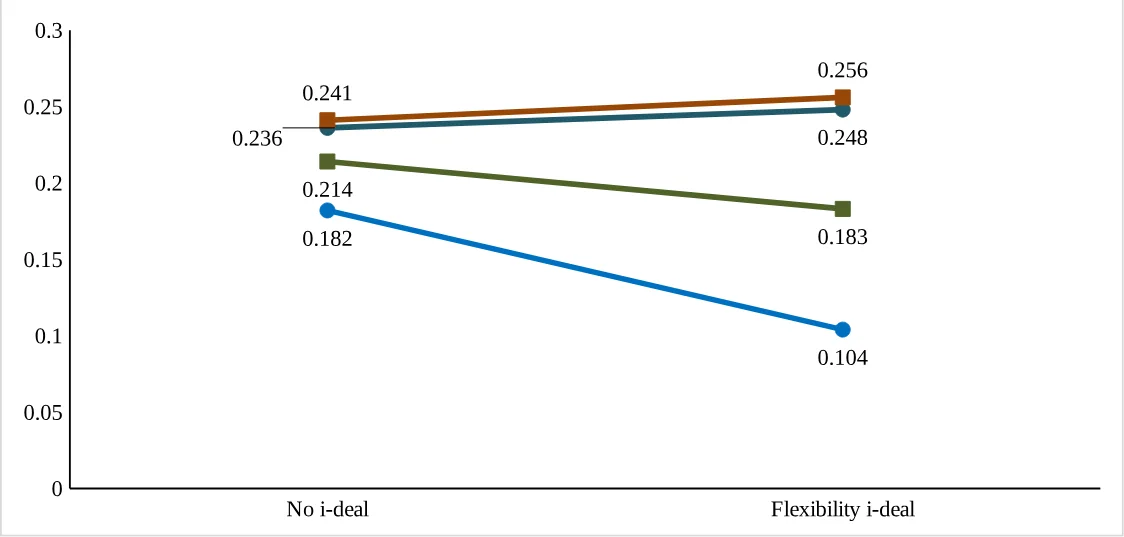
Table 2. Illustrative Multilevel Model Results
| Predictor | Work-family conflict β | Commitment β | Visibility penalties β | Promotion OR |
|---|---|---|---|---|
| Caregiving visibility | 0.19*** | -0.14*** | 0.31*** | 0.78*** |
| Flexibility i-deal quality | -0.34*** | 0.03 | 0.06 | 1.08 |
| Visibility × i-deal | -0.07* | -0.12** | 0.18*** | 0.66** |
| Woman | 0.10* | -0.05 | 0.12* | 0.87* |
| Visibility × woman | - | - | - | 0.81* |
| Controls included | Yes | Yes | Yes | Yes |
| Team and organization random effects | Yes | Yes | Yes | Yes |
Model comparison further reveals that the inclusion of the visibility-by-i-deal interaction further enhances fit of the model for the promotion and commitment and visibility penalties. The interaction has no impact on the performance model. This is significant in that it puts the penalty for advancement in the process itself, versus the performance of the task itself. Local practice or policy context was supported with the team-level and organization-level random effects not being negligible.
Table 2 reports the main multilevel models. To support Hypothesis 1, flexibility i-deal quality is negatively related to subsequent work-family conflict (beta = -0.34, p < .001). The greater one is seen by the caregivers, the less likely he or she is to be seen as committed by managers, to be seen as having a penalty for visibility, and to be promoted. The direct effect on standardized performance is small, and insignificant in the supplementary model. The difference indicates that visible caregivers do not necessarily get a bad rating, but rather are not perceived as being promotion ready.
The relationship between the quality of i-deal and caring is significant for promotion (odds ratio = 0.66, 95% CI [0.51, 0.85]). It is additionally important for commitment and visibility penalties. So this means that Hypothesis 3 is supported. The i-deal is still associated with a decrease in conflict at low and high visibility, but it has a different meaning in terms of career. The probability of promotion remains more or less the same or lower at low visibility for employees with an i-deal. The chance of promotion decreases as it becomes more visible and is greater for women.
Figure 2 and its data table show the interaction in probability terms. The probability of women being promoted is 0.236 when caring is not visible while the probability of promotion is .248 when there is an i-deal present. This likelihood decreases from 0.182 to 0.104 for women with high visibility if an i-deal exists. The drop for males is less from 0.214 to 0.183. The figure thus suggests that the most severe penalty is if all three of the following are present: visible caregiving, individualized flexibility, and being female.
Table 3. Illustrative Conditional Indirect Effects on promotion
| Indirect pathway | Women | 95% CI | Men | 95% CI |
|---|---|---|---|---|
| Visibility × i-deal → commitment → promotion | -0.028 | [-0.045, -0.014] | -0.011 | [-0.024, -0.002] |
| Visibility × i-deal → visibility penalties → promotion | -0.034 | [-0.052, -0.018] | -0.015 | [-0.029, -0.004] |
| Total conditional indirect effect | -0.062 | [-0.089, -0.038] | -0.026 | [-0.045, -0.009] |
Table 3 reports the conditional indirect effects. This route to lower commitment ratings is important for both men and women, but is more than double the size for women. The visibility penalties' path is identical. The overall indirect effect is -0.062 (for women) and -0.026 (for men). These results justify the hypotheses 4, 5 and 6. The findings are essentially unchanged when i-deals are the presence or absence of an i-deal, when salary changes in place of promotion, and when complete cases are analyzed.
The three themes are obtained from the qualitative analysis which explain the pattern of the numbers. Theme 1 is flexibility support & signal. Employees see i-deals as vital to care planning, but they also say that they feel that it makes them less spontaneous. The second theme is that of being visible as a double bind. Disclosure can create boundaries for employees, but may cause others to exclude them from the high priority or high visibility work. The third theme is that of the different interpretation of the same behavior by gender. Women notice a greater requirement to demonstrate commitment and men's care related flexibility translates more into responsible planning. The themes are similar to the commitment and opportunity paths of the quantitative model.
The primary interaction is stronger for middle-management jobs than for jobs that are based on a structured promotion criterion, as revealed in the supplementary analyses. Where there are meetings at fixed core hours or i-deals are recorded via a standard HR process, this gender difference is reduced. The above exploratory patterns indicate that there does not have to be a penalty. The extent to which it is flexible and open to opportunity depends on how the organization is governed.
Another indication of the order is that cross-lagged estimates support the proposed order. The level of caregiving visibility earlier in the caregiving period is associated with the level of commitment discounts and visibility penalties later in the caregiving period, controlling for previous levels. Later visibility is smaller and insignificant in the illustrative model compared to earlier promotion to later visibility. The arguments then are presented in a double-edged way, in favor of the side that is not directly involved. The flexibility supports day-to-day management of work and family, but likewise has an impact on the meaning of individual flexibility in career decisions, as it becomes visible.
Discussion
This research examined the joint effect of these i-deal dimensions-caregiving visibility and career flexibility on career progression in hybrid work. The findings illustrated have a very clear paradox. I-deals actually work as genuine resources, decreasing work-family conflict. However, the same set-ups have been associated with reduced promotion potential when it comes to caregiving that is more obvious. This effect is transmitted through decreased commitment of managers and less opportunities for accessing visible work. It's likewise more robust for the women. The flexible work is so not "good or bad". It's not the same value for every outcome, or employee.
The first contribution is to separate out the well-being and career effects. When studying flexible work, the question is usually raised of whether employees are happier, healthier or more productive? These are significant results and do not indicate if workers have equal opportunity for promotion. The present model is used to demonstrate how conflict levels can be reduced while the promotion rate is lowered. This is in line with research which sees flexibility as a resource (Effiyaldi et al., 2025; Wehner et al., 2026), but raises with it a distributing question. Policy can be beneficial in the short-term and potentially have long-term negative career consequences.
The second is to the body of knowledge on i-deals theory. I-deals typically take the form of a mutually rewarding relationship that enhances fit and helps to keep valued employees (Sánchez-Turón et al., 2025). The view stated in the present study is not rejected. It is backed up by the lower conflict result. The study goes on to state that there is also a social significance in a deal. Schedule i-deal can convey a message of trust, but also can be a red flag (exception). If the reason is visible care, managers can see that, and interpret this as an indication that they won't have care available in the future. I-deals are thus a source of resources and a signal and should be examined accordingly.
The third contribution is related to the visibility of care giving. Often care status is quantified as a demographic attribute only. Visibility is different. It documents in the disclosure, schedules and everyday interactions of care in the workplace. This provides some insight into the reasons why under the same policy two caretakers might end up having different career paths. It also clarifies why, with a generic hybrid schedule, there can be no average promotion penalty as in Bloom et al. (2024), but with a customized schedule it can be a selective penalty. The normal rules are the standard rules, which normalize the variation. It may be easier to see why a difference occurs if look at individual deals.
The mechanism is described by the flexibility stigma theory and the theory of gendered organizations. The manager need not be rigid, but should be flexible. The penalty can occur in little judgments in terms of preparedness and availability. This also can occur as protective exclusion, e.g., by not providing a late client meeting to a caregiver. These decisions may seem like thoughtful, but they have a negative impact on experience and sponsorship. Acker's (1990, 2006) description of ideal work is still pertinent, as hybrid work impacts the location of the job but not everything else that goes into the job description.
There is no minor interaction between gender difference. It is a part of the basic theory. Caring for women is more likely to be regarded as a stable limit, with caring for men being regarded as a task, or a sign of responsible fatherhood. This corresponds to the research about the motherhood penalty and the beliefs of managers regarding women's family-work conflict (Guan et al., 2025; Torres et al., 2024). It also demonstrates how a flexible approach that is gender neutral, does not necessarily produce gender equitable outcomes. Equal form takes an unequal system of interpretation.
There are a number of possible alternative explanations. The first one is that of self-selection: workers who are not as motivated to be promoted can ask to receive i-deals. These are mitigated by the lagged controls of ambition and previous promotion, but cannot eliminate them. The second explanation is of performance. However, the simulated pattern reveals no similar performance effect as there is a promotion effect. A third explanation is "occupational sorting. Units with fewer opportunities for promotion may be the workplace for women caregivers. Part of this can be mitigated with the implementation of multilevel controls and rates for the organization. The preferred explanation is best if the effect is limited to the teams and the mediators change prior to promotion.
Additionally, this matched dyad design is a methodological contribution. An employee-only survey won't reveal stigma, it will only reveal a perceived stigma. Manager-only data excludes and disclosures that may be hidden. HR records may indicate a promotion, but do not provide insight into the process. The three sources minimize common method bias and provide differentiation of experience, judgment and outcome. The effects listed in the table are followed by an interview component which provides context to otherwise simple looking effects.
The results also help to improve the understanding of what visibility in hybrid working means. The only thing that is not limited is to be physically present to be visible. It involves, digital response, access to meetings, informal contact, assignment of a project, and narratives of the future of an employee shared by the employer. It's possible to be very visible as a caregiver, but not so visible as a leader. This separation contributes to the connection of research in the field of remote collaboration and research in the field of promotion. If the network becomes more constricted due to remote work (Yang et al., 2021), it could be a bigger loss with a commitment discount.
Practical Implications
The results show that the boundary condition is of importance. There does not seem to be a strong relationship between a structured hybrid policy and an individualized policy. Employers should not assume a negative impact on careers from any and all hybrid work. Rather, they should look at when there is a need for employees to continually defend their schedule, and when care goes into the talent discussion. High risk when policy is lacking in detail, promotion is not formalized and managers have visibility of the work.
The takeaway from this is that providing flexibility isn't sufficient. There needs to be a way to manage and assess the usage of flexibility which is set by the organizations. One thing HR teams need to do first is to minimize managers' discretion. Even if there is a set of clear flexibility options, it is still possible to have personal tailoring, but must be written, with criteria, review points and outputs. This minimizes the risk to both the employee that the employee gives special attention to one person or has to keep repeating what they need to do, and the resident of having to account for their needs to the employee.
Second, prior to opportunity audit, organizations need to audit opportunity allocation. They should consider who gets the stretch work, who is exposed to the client, who gets the acting parts, who gets mentoring and who gets the senior meetings. It is not uncommon for a promotion gap to start months before the official promotion is announced. By removing caregivers from stimulating jobs without them realizing, a new committee might come up with a weaker record and think that the process was fair.
Third, the amount of output and growth, not necessarily what is visible, should be considered by managers. Evidence, particularly in discussions around promotion, needs to be structured - and, vague terms like leadership presence need to be defined. At calibration meetings, consider whether a judgment is being made on actual performance or on what it is assumed that performance is like when working remotely or providing care. The management of protective exclusion needs to be taught to managers as well. Despite well-intentioned motives, the omission of opportunities can have a career impact.
Lastly, organizations should remove barriers to flexibility for care from the male and female gender. The more senior men use flexibility to care the more they will help to diminish the notion that caring is a "women's issue. Important decisions should not rely on a person's attendance at the office outside the agreed core hours unless it is a meeting. These changes create more flexibility in usage, and diminishes association of care visibility and perceived ambitions.
Limitations and Future Research
There are a number of caveats to the study. Firstly, the current situation of the results. There is no data provided so the numerical results are simulated. These cannot be presented in the form of evidence. Actual results of the true study could result in a smaller, larger or other effect. Any changes to the manuscript should be completed when the final models, diagnostics and interview analysis are finished.
The proposed empirical design has its drawbacks. It's hard to measure the extent to which caregiving is visible. There are variations in the effect of frequency of disclosure, voluntariness, audience and tone. This measure of visibility of informal opportunities may underestimate the informal opportunities. HR records are also incomplete and there are various different definitions of promotion in organizations. These problems can be minimized with standardization and sensitivity testing but cannot be eliminated.
It is important to take care in making causal claims. There are three waves and lagged models which enhance the temporal order, but cannot exclude the selection. Some employees have lower aspirations and may be interested in some i-deals; some employees might have limited future prospects and might be offered an i-deal by their manager. Prior ambition control, performance control and promotion help controls do the job, but an experiment would be a better test. The sample is also likely to be a white-collar hybrid work. The results may not be applicable to jobs where there is little control over the scheduling, such as frontline or hourly.
It is important to conduct intersectional differences analysis in the future. Gender might intersect with other factors, such as race, class, disability, migration and single parenthood to determine who can negotiate an i-deal and who can do so safely. For staff whose competence and fit with the organization are already in question, their visibility as caregivers could be more expensive. These patterns will need to be tested on larger samples, but without assuming generality of identity groups.
Vignette and conjoint experiments with varying characteristics of employees, caregiving disclosure, and the reason for a flexibility request should be used in future studies. Field experiments could provide some comparison of the manager negotiated deals and the standard policy bundle. Researchers also could observe the allocation of opportunities through meeting logs and project records and through nominations for sponsors. The strength of the penalty would be compared across country to see if the penalty is less where more people are sharing the responsibility for caring for the child, or where family support is more widely available.
Conclusion
The findings in this research highlight the need to continue to focus on the question of “flexible for whom?” as a key area of inquiry when researching hybrid working. When assessing the impacts of hybrid working, it's common to look at average impacts, and average impacts may mask unequal working pathways. Increased retention through a policy can have a negative impact on a visible group that is missing out on promotion. A positive retention policy may have a negative retention impact on a visible group that is denied promotion. The importance of well-being, performance and advancement being evaluated together is why. Flexibility i-deals can help to alleviate work-family conflict and allow caregivers to continue to be productive.
But, when someone can see how they're taking care of them it can alter the meaning of the same deal. It may result in less commitment ratings, fewer opportunities for visibility and less promotion particularly for women. Flexibility isn't all that's important. It's the organization which explains versatility and makes opportunity. In order to promote equitable hybrid work, the policy needs to be clear, care needs to be evidence-based, and the access to developmental work needs to be equitable, while care shouldn't detract from presumed ambition. If these things don't happen, flexibility can be a personal asset as well as an unobtrusive gendered career tax.
Acknowledgments
The author extends his gratitude to the Department of Human Resource Management, University of Hertfordshire, U.K. and the Department of Business Administration, Northern University Bangladesh for their academic assistance, research atmosphere and research facilities. There are no authors to meet the criteria.
Declarations
Author Contributions
Abdullah Mohammad Yeaqubi: Conceptualization, preparation of literature review, development of theoretical background, design of methodology, manuscript preparation, editing and review.
Funding
The manuscript draft was not prepared with the support of any external funding.
Conflict of Interest
There is no conflict of interest with respect to this item.
Ethical Approval
This Text is a proposed study and contains simulated results. Ethical approval should be sought in a formal manner prior to any recruitment of participants or collection of data. The approving committee, approval number and approval date are to be included in the final manuscript.
Informed Consent
The proposed protocol includes informed consent for participation in surveys and interviews as well as linkage to HR records. This statement shall be revised following approval and completion of the study.
Data Availability
For this manuscript draft no empirical data has been provided. The numerical results and figure are simulated and not available as research data. A data availability statement is to be treated like a final statement that describes the verified set of data and the restrictions of participant confidentiality and organizational agreements.
References
- Acker, J. (1990). Hierarchies, jobs, bodies: A theory of gendered organizations. Gender & Society, 4(2), 139–158. https://doi.org/10.1177/089124390004002002
- Acker, J. (2006). Inequality Regimes: Gender, Class, and Race in Organizations. Gender & Society, 20(4), 441–464. https://doi.org/10.1177/0891243206289499
- Alkhyeli, A., & Hazmilah, H. (2025). Performance Appraisal Effectiveness in Modern Organisations: A Systematic Review of Outcomes, Moderators, and Contextual Factors. International Journal of Academic Research in Business and Social Sciences, 15(9), Pages 170-193. https://doi.org/10.6007/IJARBSS/v15-i9/26461
- Bloom, N., Han, R., & Liang, J. (2024). Hybrid working from home improves retention without damaging performance. Nature, 630(8018), 920–925. https://doi.org/10.1038/s41586-024-07500-2
- Braun, V., & Clarke, V. (2006). Using thematic analysis in psychology. Qualitative Research in Psychology, 3(2), 77–101. https://doi.org/10.1191/1478088706qp063oa
- Chung, H., & Seo, H. (2024). Flexibility Stigma Across Europe: How National Contexts can Shift the Extent to which Flexible Workers are Stigmatised. Social Indicators Research, 174(3), 945–965. https://doi.org/10.1007/s11205-024-03420-w
- Chung, H., & Van Der Lippe, T. (2020). Flexible Working, Work–Life Balance, and Gender Equality: Introduction. Social Indicators Research, 151(2), 365–381. https://doi.org/10.1007/s11205-018-2025-x
- Correll, S. J., Benard, S., & Paik, I. (2007). Getting a Job: Is There a Motherhood Penalty? American Journal of Sociology, 112(5), 1297–1339. https://doi.org/10.1086/511799
- Effiyaldi, E., Subroto, S., & Sakaria, M. (2025). Hybrid Working: Challenges and Opportunities in Managing Employee Performance in the Age of Flexible Working. Oikonomia : Journal of Management Economics and Accounting, 2(2), 95–106. https://doi.org/10.61942/oikonomia.v2i2.310
- Everard-Igweh, Y., Chen, Z., & He, Q. (2025). From negotiation to integration: Mastering the art of idiosyncratic deals. Organizational Dynamics, 54(1), 101099. https://doi.org/10.1016/j.orgdyn.2024.101099
- Ferdous, T., Ali, M., & French, E. (2022). Impact of flexibility stigma on outcomes: Role of flexible work practices usage. Asia Pacific Journal of Human Resources, 60(3), 510–531. https://doi.org/10.1111/1744-7941.12275
- Gencay, O., Foulk, T., & Schaerer, M. (2026). Tuned Out or Dialed In: How Attributions Shape Observer Reactions to Music Listeners at Work. Personnel Psychology, 79(2), 223–250. https://doi.org/10.1111/peps.70025
- Greenhaus, J. H., & Beutell, N. J. (1985). Sources of Conflict between Work and Family Roles. The Academy of Management Review, 10(1), 76. https://doi.org/10.2307/258214
- Guan, G., Gao, Y., Yu, W., & Huang, Y. (2025). Motherhood Penalty and Fatherhood Premium: Insights From Empirical Research in China. Sage Open, 15(4), 21582440251385862. https://doi.org/10.1177/21582440251385862
- Henke, J. B., Jones, S. K., & O’Neill, T. A. (2022). Skills and abilities to thrive in remote work: What have we learned. Frontiers in Psychology, 13, 893895. https://doi.org/10.3389/fpsyg.2022.893895
- Hoobler, J. M., Wayne, S. J., & Lemmon, G. (2009). Bosses’ Perceptions of Family-Work Conflict and Women’s Promotability: Glass Ceiling Effects. Academy of Management Journal, 52(5), 939–957. https://doi.org/10.5465/amj.2009.44633700
- Jaafar, N. A., & Rahim, R. A. (2022). Telecommuting and Employee Productivity: Mediating Role of Work-Family Conflict and Autonomy. International Academic Symposium of Social Science 2022, 84. https://doi.org/10.3390/proceedings2022082084
- Jiang, Y., Jiang, Z., Zheng, X., & Wu, C.-H. (2026). Career outcomes of work–family conflict: A literature review and future research agenda. Journal of Vocational Behavior, 168, 104250. https://doi.org/10.1016/j.jvb.2026.104250
- Kang, H. R., & Oh, E. G. (2026). Toward the “New Normal”: A Systematic Review of Remote Work and Implications for Human Resource Development (HRD). Human Resource Development Review, 15344843261441203. https://doi.org/10.1177/15344843261441203
- Kelly, C. M., Rofcanin, Y., Las Heras, M., Ogbonnaya, C., Marescaux, E., & Bosch, M. J. (2020). Seeking an “i-deal” balance: Schedule-flexibility i-deals as mediating mechanisms between supervisor emotional support and employee work and home performance. Journal of Vocational Behavior, 118, 103369. https://doi.org/10.1016/j.jvb.2019.103369
- Lamar, M. R., Forbes, L. K., & Capasso, L. A. (2019). Helping Working Mothers Face the Challenges of an Intensive Mothering Culture. Journal of Mental Health Counseling, 41(3), 203–220. https://doi.org/10.17744/mehc.41.3.02
- Las Heras, M., Rofcanin, Y., Matthijs Bal, P., & Stollberger, J. (2017). How do flexibility i-deals relate to work performance? Exploring the roles of family performance and organizational context. Journal of Organizational Behavior, 38(8), 1280–1294. https://doi.org/10.1002/job.2203 M.
- Tamayo, J. P., Augustine, J., & Brashears, L. (2026). Who Supports the Ideal Worker Norm? Group Differences and Consequences of Remote Work. Social Currents, 13(3), 131–155. https://doi.org/10.1177/23294965261438392
- Mas, A., & Pallais, A. (2017). Valuing Alternative Work Arrangements. American Economic Review, 107(12), 3722–3759. https://doi.org/10.1257/aer.20161500
- Munsch, C. L. (2016). Flexible Work, Flexible Penalties: The Effect of Gender, Childcare, and Type of Request on the Flexibility Bias. Social Forces, 94(4), 1567–1591. https://doi.org/10.1093/sf/sov122
- Naveed, R. T., Alhaidan, H., Halbusi, H. A., & Al-Swidi, A. K. (2022). Do organizations really evolve? The critical link between organizational culture and organizational innovation toward organizational effectiveness: Pivotal role of organizational resistance. Journal of Innovation & Knowledge, 7(2), 100178. https://doi.org/10.1016/j.jik.2022.100178
- Pauliks, J. E. (2025). Is Workplace Flexibility Penalised? The Gendered Consequences of Working from Home for the Wages of Parents and Childless Employees in the UK. Work, Employment and Society, 39(5), 1059–1081. https://doi.org/10.1177/09500170251336943
- Ranta, M., & Ylinen, M. (2024). Employee benefits and company performance: Evidence from a high-dimensional machine learning model. Management Accounting Research, 64, 100876. https://doi.org/10.1016/j.mar.2023.100876
- Rofcanin, Y., Afacan Findikli, M., Heras, M. L., & Ererdi, C. (2022). Idiosyncratic Deals and Individualization of Human Resource Management Practices: The Growth of HR Differentiation. In S. Anand & Y. Rofcanin (Eds.), Idiosyncratic Deals at Work (pp. 119–142). Springer International Publishing. https://doi.org/10.1007/978-3-030-88516-8_6
- Sánchez-Turón, I., Elgoibar, P., & Cruz-Cázares, C. (2025). Unmasking i-deal practices in start-ups to attract, motivate and retain STEM employees. International Journal of Organization Theory & Behavior, 1–21. https://doi.org/10.1108/IJOTB-01-2025-0014
- Simosi, M., Rousseau, D. M., & Weingart, L. R. (2021). Opening the Black Box of I-Deals Negotiation: Integrating I-Deals and Negotiation Research. Group & Organization Management, 46(2), 186–222. https://doi.org/10.1177/1059601121995379
- Subramaniam, A., & Mehta, K. K. (2024). Exploring the Lived Experiences of Caregiving for Older Family Members by Young Caregivers in Singapore: Transition, Trials, and Tribulations. International Journal of Environmental Research and Public Health, 21(2), 182. https://doi.org/10.3390/ijerph21020182
- Torres, A. J. C., Barbosa-Silva, L., Oliveira-Silva, L. C., Miziara, O. P. P., Guahy, U. C. R., Fisher, A. N., & Ryan, M. K. (2024). The Impact of Motherhood on Women’s Career Progression: A Scoping Review of Evidence-Based Interventions. Behavioral Sciences, 14(4), 275. https://doi.org/10.3390/bs14040275
- Vartiainen, M., & Vanharanta, O. (2023). Hybrid work: Definition, origins, debates and outlook. https://doi.org/10.13140/RG.2.2.12847.71844
- Wang, S., & Chung, H. (2026). Revisiting Flexibility Stigma: How Framing Remote Working Shapes Bias Against Remote Workers. Gender, Work & Organization, 33(4), 1227–1244. https://doi.org/10.1111/gwao.70115
- Wehner, C., Protsch, P., & Grip, A. D. (2026). Gender differences in employers’ promotion preferences? The role of working time, care obligations, and work–family policies. Research in Social Stratification and Mobility, 104, 101154. https://doi.org/10.1016/j.rssm.2026.101154
- Yang, L., Holtz, D., Jaffe, S., Suri, S., Sinha, S., Weston, J., Joyce, C., Shah, N., Sherman, K., Hecht, B., & Teevan, J. (2021). The effects of remote work on collaboration among information workers. Nature Human Behaviour, 6(1), 43–54. https://doi.org/10.1038/s41562-021-01196-4
- Yildizhan, H., Hosouli, S., Yılmaz, S. E., Gomes, J., Pandey, C., & Alkharusi, T. (2023). Alternative work arrangements: Individual, organizational and environmental outcomes. Heliyon, 9(11), e21899. https://doi.org/10.1016/j.heliyon.2023.e21899
CITE THIS ARTICLE
Yeaqubi, A. M. (2026). Flexible for Whom? Caregiving Visibility, I-Deals, and Gendered Career Progression in Hybrid Work. https://www.researchbyyeaqubi.com/article/f8014b52-4a90-4a79-bdc6-b01475a8820b
A. M. Yeaqubi, “Flexible for Whom? Caregiving Visibility, I-Deals, and Gendered Career Progression in Hybrid Work,” 2026. [Online]. Available: https://www.researchbyyeaqubi.com/article/f8014b52-4a90-4a79-bdc6-b01475a8820b
Yeaqubi, A. M. (2026) ‘Flexible for Whom? Caregiving Visibility, I-Deals, and Gendered Career Progression in Hybrid Work’. Available at: https://www.researchbyyeaqubi.com/article/f8014b52-4a90-4a79-bdc6-b01475a8820b
Yeaqubi, Abdullah Mohammad. “Flexible for Whom? Caregiving Visibility, I-Deals, and Gendered Career Progression in Hybrid Work.” 2026, https://www.researchbyyeaqubi.com/article/f8014b52-4a90-4a79-bdc6-b01475a8820b.
Abdullah Mohammad Yeaqubi. “Flexible for Whom? Caregiving Visibility, I-Deals, and Gendered Career Progression in Hybrid Work.” (2026). https://www.researchbyyeaqubi.com/article/f8014b52-4a90-4a79-bdc6-b01475a8820b.
Yeaqubi AM. Flexible for Whom? Caregiving Visibility, I-Deals, and Gendered Career Progression in Hybrid Work. 2026. https://www.researchbyyeaqubi.com/article/f8014b52-4a90-4a79-bdc6-b01475a8820b
@misc{article_f8014b524a904a79bdc6b01475a8820b,
  title = {Flexible for Whom? Caregiving Visibility, I-Deals, and Gendered Career Progression in Hybrid Work},
  author = {Abdullah Mohammad Yeaqubi},
  year = {2026},
  url = {https://www.researchbyyeaqubi.com/article/f8014b52-4a90-4a79-bdc6-b01475a8820b},
}
TY - GEN AU - Abdullah Mohammad Yeaqubi TI - Flexible for Whom? Caregiving Visibility, I-Deals, and Gendered Career Progression in Hybrid Work PY - 2026 UR - https://www.researchbyyeaqubi.com/article/f8014b52-4a90-4a79-bdc6-b01475a8820b ER -